
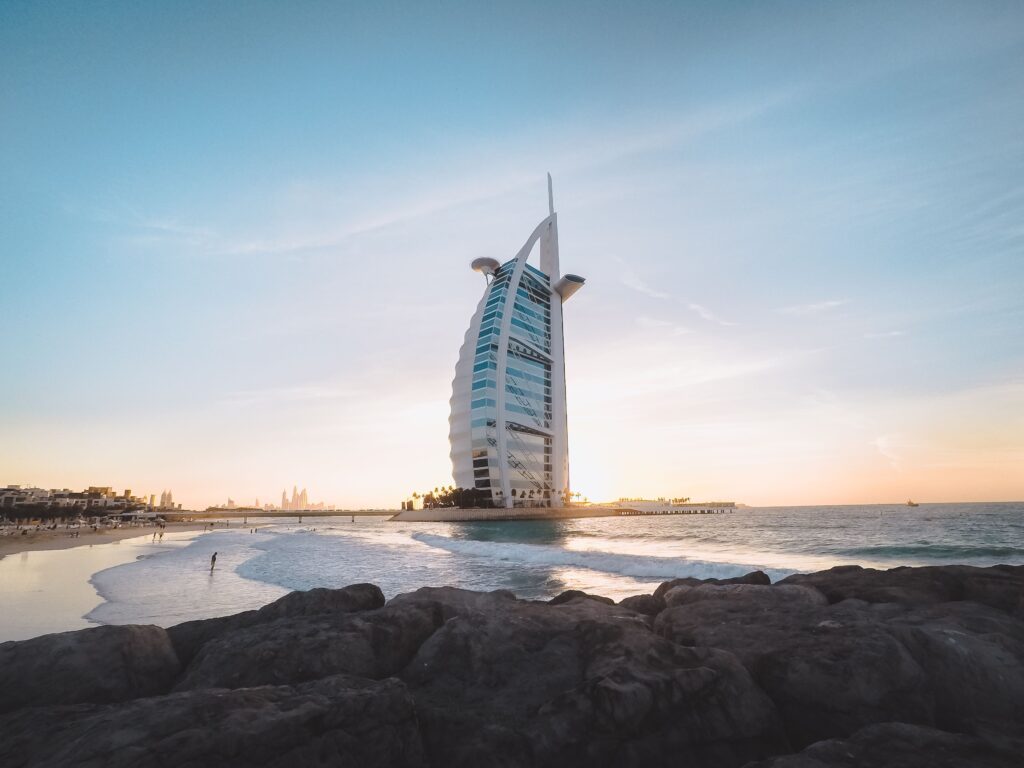
Dubai is one of the most technology-friendly destinations for modern travelers. From digital payments and navigation apps to mobile booking platforms and smart transportation tools, a smartphone can handle a large part of the trip. With the right setup, visitors can spend less time solving everyday logistical problems and more time enjoying the city.
Transportation is one area where advance planning makes a major difference. Travelers who prefer comfortable independent mobility can explore premium car rental dubai before arrival and organize their vehicle around the rest of the itinerary. Combined with navigation, parking, and messaging apps, having your own car can make moving between distant parts of Dubai much simpler.
Prepare Your Smartphone Before the Trip
A few minutes of preparation before departure can save a surprising amount of time later.
Start by making sure that your phone has enough available storage for additional apps, photos, maps, and travel documents.
It is also useful to update your operating system and the apps you expect to use.
Before flying, consider installing tools for:
- navigation;
- accommodation bookings;
- airline information;
- transportation;
- restaurant reservations;
- currency conversion;
- digital payments;
- translation;
- cloud document storage.
Keeping essential tools in one folder can make them easier to find when you are on the move.
Use Digital Maps for More Than Navigation
Navigation apps are obviously useful for getting from one destination to another, but modern mapping tools can do much more.
Travelers can use them to:
- estimate travel times;
- check traffic;
- find parking;
- locate restaurants;
- compare different routes;
- save attractions for later;
- organize places by neighborhood.
Saving important locations before leaving the hotel is especially useful.
Instead of repeatedly searching for addresses, create a list containing your hotel, restaurants, malls, beaches, attractions, and other planned stops.
This makes it easier to change plans during the day.
Download Important Information for Offline Use
Internet access is widely available, but travelers should still prepare for situations where connectivity is limited.
Offline maps can be particularly useful.
You may also want to download:
- flight confirmations;
- hotel reservations;
- travel insurance information;
- identification copies;
- booking references;
- tickets.
Store important documents somewhere that does not require a constant internet connection.
A cloud service is helpful, but having key files available directly on the phone provides an extra layer of convenience.
Take Advantage of Mobile Payments
Digital payments can make daily travel significantly easier.
Instead of constantly searching for cash or handling small change, many travelers prefer to pay directly with their phones or cards.
Before departure, check whether your usual payment methods work internationally and whether any additional charges apply.
It is also sensible to keep more than one payment option available.
Technology is convenient, but relying on a single card or digital wallet can create problems if it is temporarily blocked or unavailable.
Keep Your Devices Charged
Your smartphone may serve as your camera, map, payment method, translator, booking tool, and communication device.
That makes battery life surprisingly important.
A portable power bank can be useful during long sightseeing days.
Other practical accessories include:
- charging cables;
- travel adapters;
- car chargers;
- wireless earbuds;
- smartwatch chargers.
Charge essential devices overnight whenever possible.
Starting the day with a low battery can become inconvenient very quickly when most of your travel information is stored digitally.
Organize Transportation Digitally
One advantage of modern travel is the ability to compare transportation options before leaving your hotel.
Travelers can check routes, travel times, traffic conditions, and expected arrival times from their phones.
This makes spontaneous changes much easier.
If one part of the city becomes too busy, you can reorganize the day and move another attraction to a different time.
The same principle applies when driving.
Navigation apps can help identify congestion and suggest alternative routes, which is particularly useful when several destinations are planned in one day.
Group Destinations Using Map Apps
Dubai covers a large area.
One of the easiest ways to lose time is constantly traveling back and forth between different parts of the city.
Use a map to group nearby destinations.
For example, if several restaurants, attractions, or shopping locations are located in the same district, try to visit them during the same part of the day.
This simple strategy can reduce travel time and make the itinerary feel much less rushed.
Technology is most useful when it helps you make better decisions rather than simply adding more information.
Use Restaurant and Reservation Apps
Dubai has an enormous dining scene.
Popular restaurants can become busy, particularly during evenings and weekends.
Reservation platforms can help travelers plan meals without spending time calling different venues.
Digital tools may also allow you to:
- view menus;
- compare locations;
- check opening hours;
- read recent feedback;
- reserve tables;
- change booking times.
Planning one or two important meals in advance can make the rest of the schedule much easier.
Store Travel Plans in One Place
Constantly searching through emails and messaging apps for reservation details can become frustrating.
Instead, keep the main travel information together.
This could be a dedicated notes document containing:
- flight details;
- hotel address;
- restaurant reservations;
- planned activities;
- important phone numbers;
- vehicle information;
- confirmation numbers.
You do not need an advanced travel-planning system.
Even a simple note synchronized across your devices can work extremely well.
Protect Your Digital Security
Travelers often connect to unfamiliar Wi-Fi networks in airports, cafés, hotels, and public spaces.
That makes basic digital security important.
Use trusted networks whenever possible and avoid entering highly sensitive information on connections you do not trust.
Other useful habits include:
- enabling device passwords or biometric security;
- using two-factor authentication;
- keeping software updated;
- avoiding unknown download links;
- using official apps whenever possible.
A lost phone can cause more inconvenience when it contains travel documents, payment information, and account access.
Make sure device tracking and remote locking features are enabled before the trip.
Manage Mobile Data
Constant navigation, social media, video, and cloud uploads can consume a significant amount of mobile data.
Check your roaming arrangements before traveling.
Depending on your provider, an international package, local SIM, or eSIM may be more practical.
Monitor data use during the trip if your plan has a limit.
Downloading large updates or videos over Wi-Fi can help conserve mobile data for navigation and communication.
Use Translation Tools When Needed
English is widely used in Dubai, but translation apps can still be useful.
Modern translation tools can translate text, speech, and sometimes even signs using a phone camera.
You may rarely need them, but they are worth having installed.
They can also be helpful when exploring other destinations in the UAE or communicating in situations where both people are more comfortable using another language.
Let Technology Simplify the Trip
One common mistake is installing dozens of travel apps and then spending the entire trip switching between them.
Technology should reduce friction, not create it.
Choose a small number of reliable tools that cover the essentials:
- navigation;
- communication;
- bookings;
- payments;
- transport;
- document storage.
Everything else is optional.
The best travel setup is usually the one you barely notice because it works when you need it.
Keep Room for Spontaneous Plans
Digital planning makes it possible to organize almost every hour of a trip.
That does not mean you should.
Leave some empty space in the itinerary.
If you discover an interesting restaurant, beach, shop, or neighborhood, use your phone to quickly check the location and adjust your route.
This combination of planning and flexibility is one of the biggest advantages of modern travel technology.
Final Thoughts
Dubai is particularly well suited to travelers who like using technology to simplify everyday tasks.
Navigation, mobile payments, digital bookings, cloud documents, transportation tools, and smart itinerary planning can remove much of the friction traditionally associated with visiting a new city.
Prepare the essentials before departure, keep your devices charged, organize important information clearly, and use digital tools only when they genuinely make the trip easier.
The best travel technology does not become the focus of the journey. It quietly helps everything else run more smoothly.